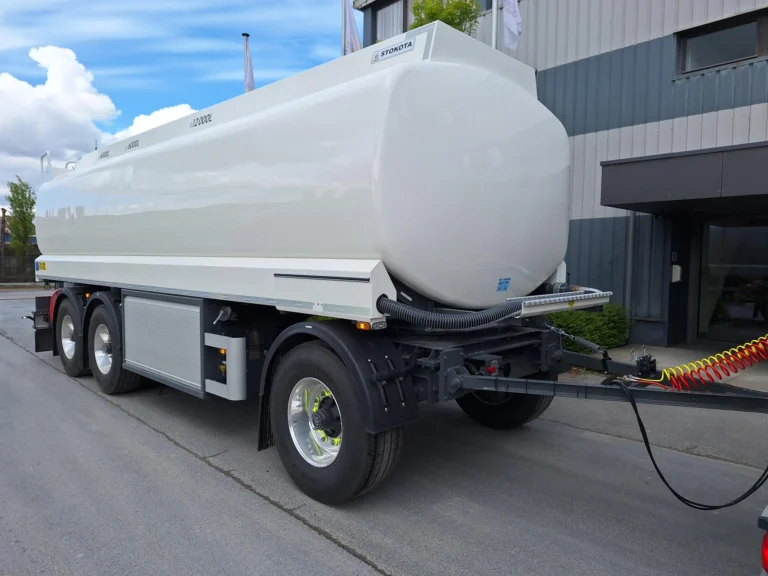
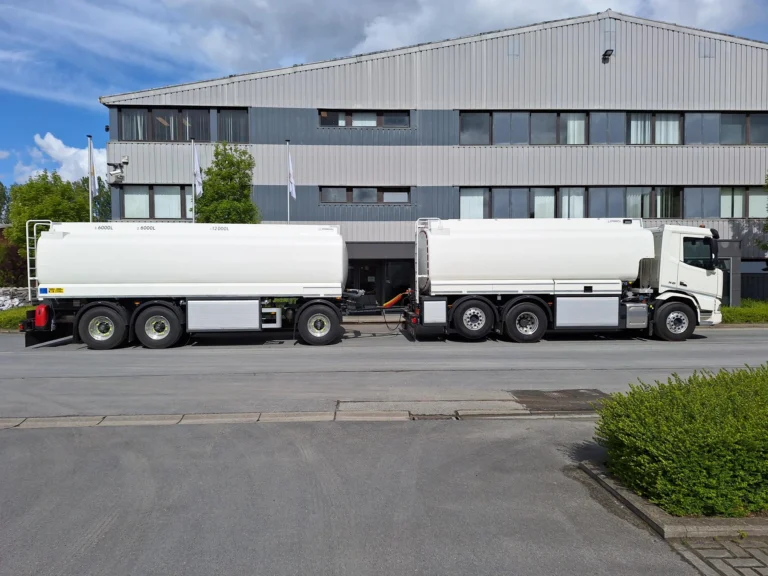
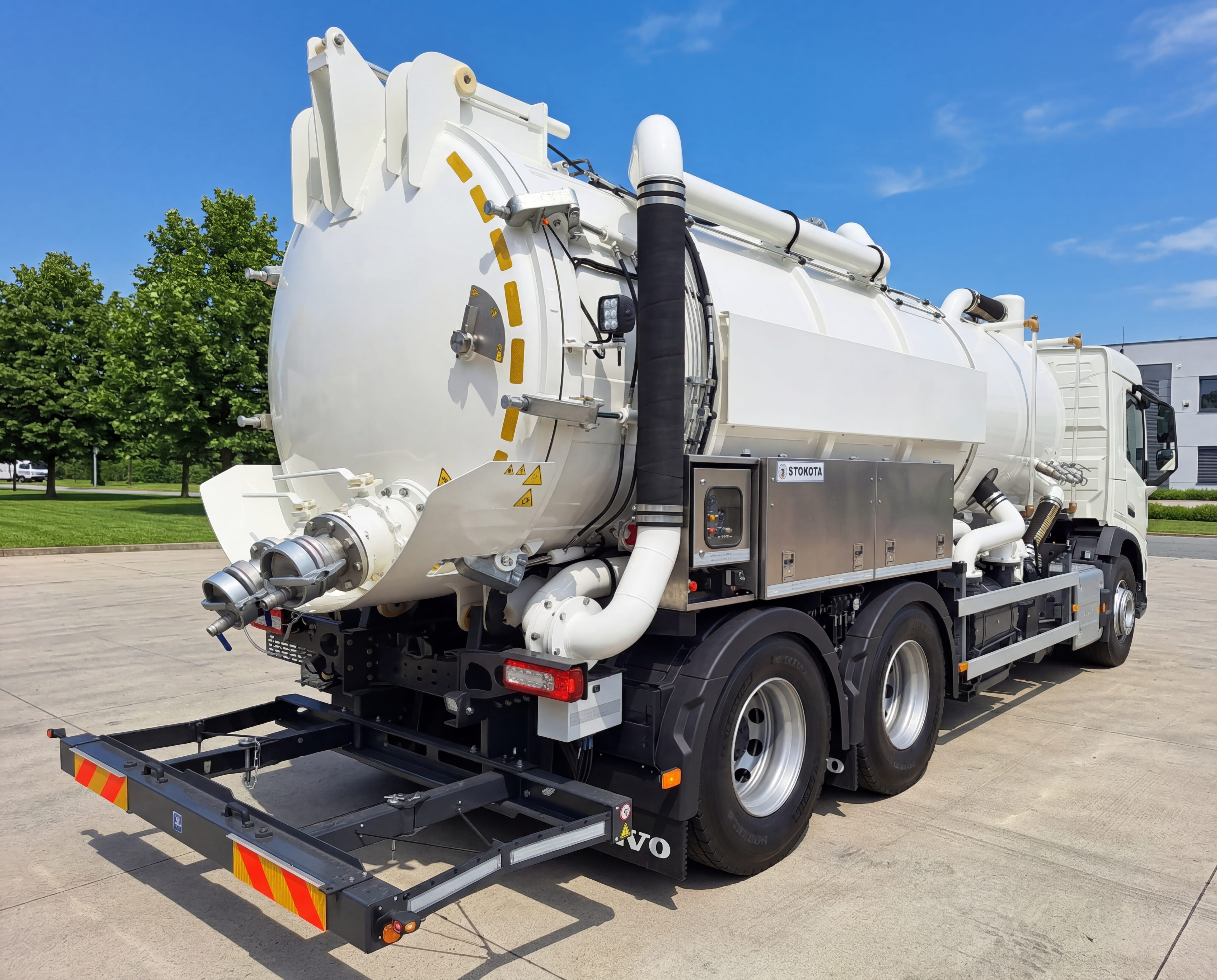
I work as a production planner at STOKOTA in Elbląg. To give you a better understanding of implementing a production planning system using Microsoft Project, I’ll explain what production planning looks like in practice, what challenges it involves, and what benefits the implemented solution can bring.
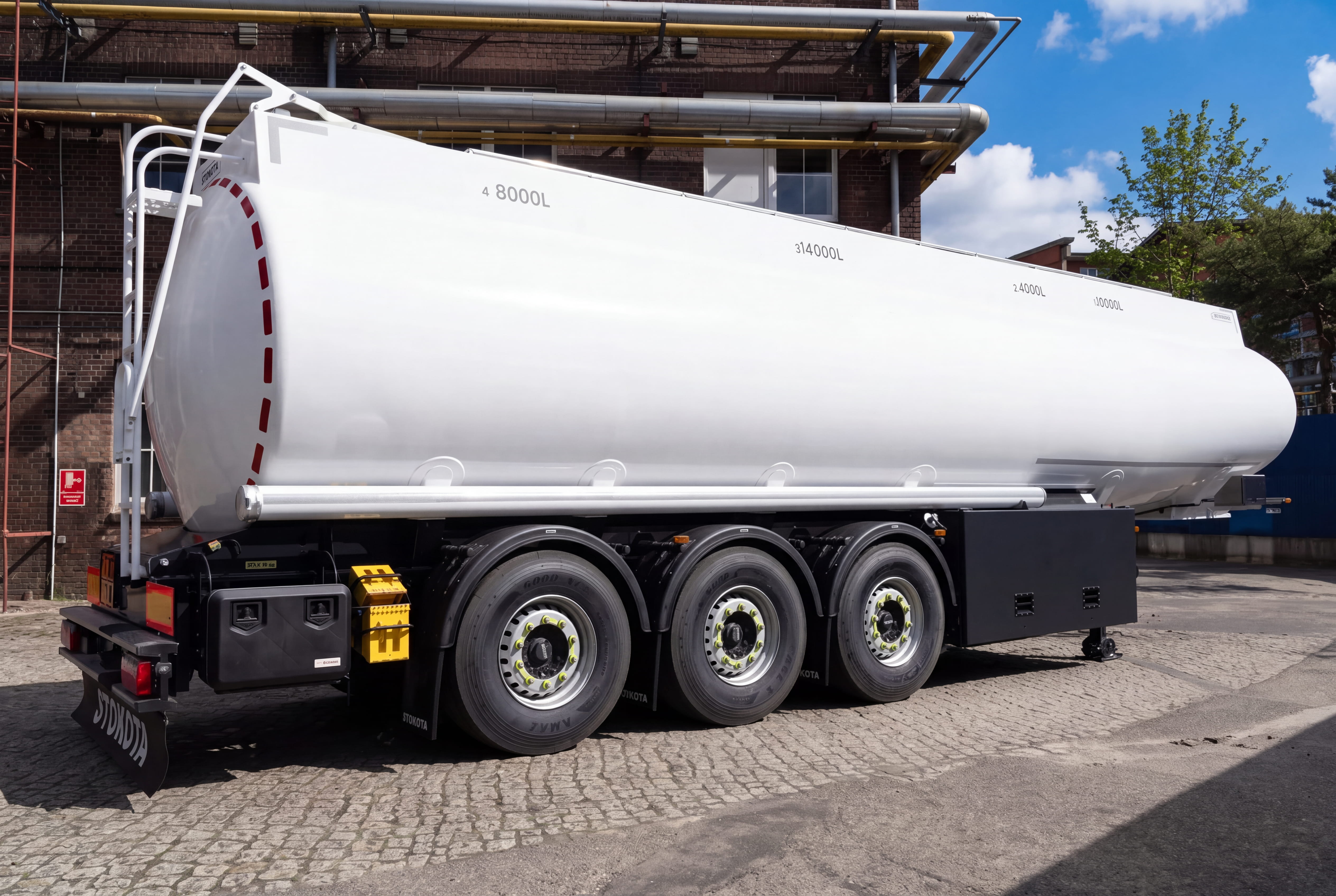
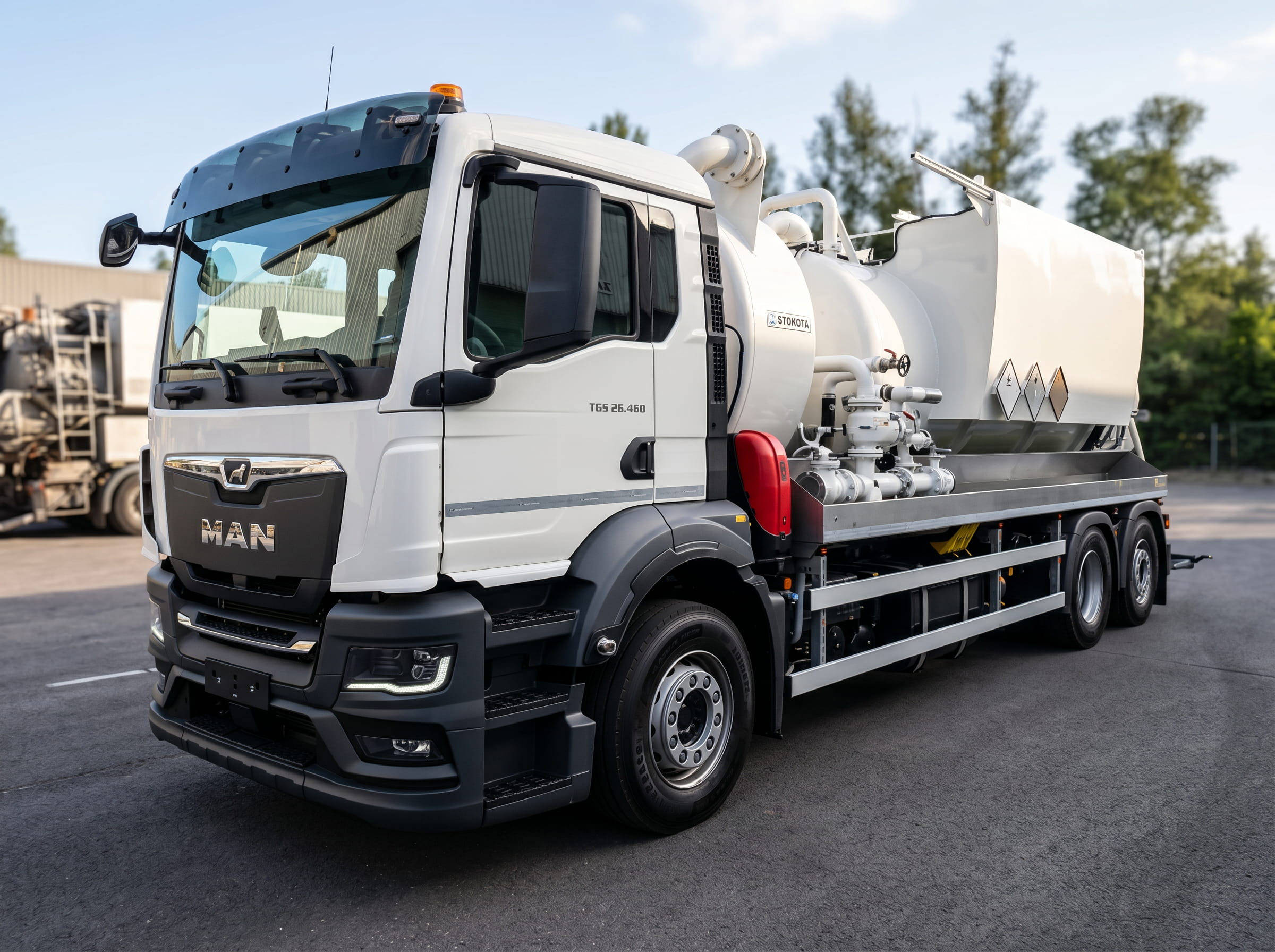
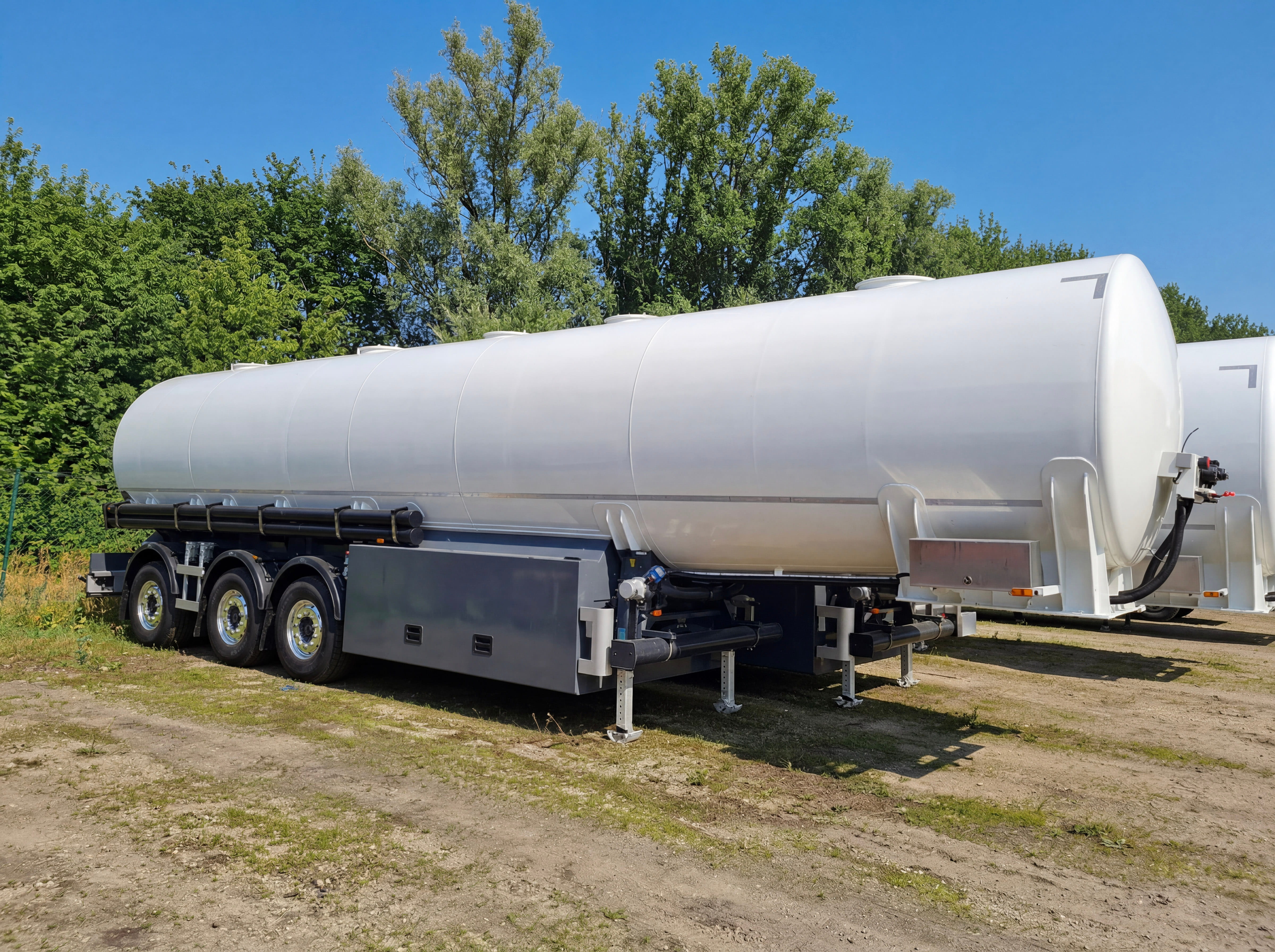
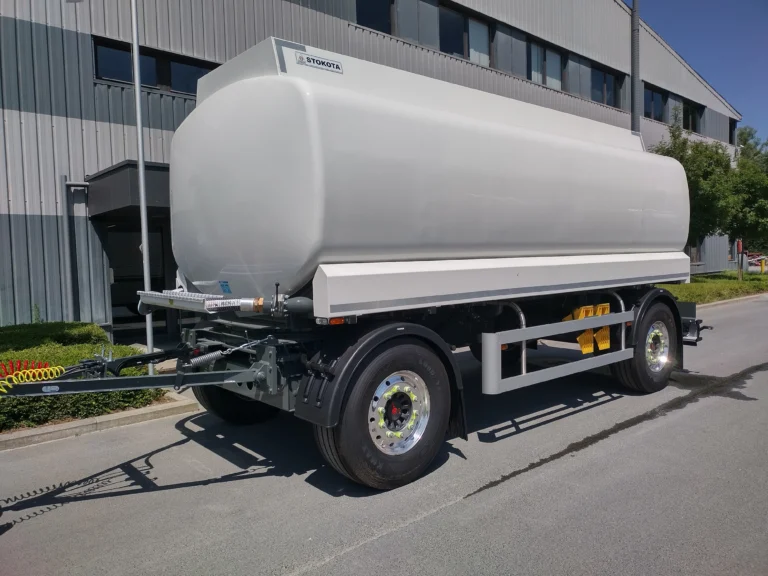
I work in production planning. My main responsibility is to coordinate schedules, manage deadlines, and monitor the progress of individual projects. Our company manufactures road tankers, so each project consists of many stages that must be properly planned and coordinated.
My job isn’t just about setting dates. I also have to analyze the sequence of operations, material availability, work progress, and the interdependencies between individual production stages.
Definitely. All stages of production are interconnected. If one of them is delayed, it can affect subsequent operations and, consequently, the delivery date of the entire order. That’s why I have to look at production holistically, rather than focusing solely on the tasks currently being performed. It’s also important to anticipate potential problems and respond to changes early enough.
The company decided to purchase Microsoft Project to streamline the planning and monitoring of production projects. My job is to put this tool into practice, set up an appropriate schedule structure, and adapt it to the specifics of our production.
I want to ensure that information regarding deadlines, the order of tasks, and the dependencies between them is presented in a single, organized system.
First and foremost, I use it to create and manage production schedules. I break down the entire process into individual stages, determine their durations, and establish dependencies between tasks. The Gantt chart is very useful, as it allows me to see the entire course of the project on a timeline. Thanks to it, I can quickly check when a given task should start and end, and how it affects other activities.
The baseline schedule and the critical path are also important. The baseline schedule allows me to compare the original assumptions with the current progress of the project, while the critical path identifies tasks whose delays could push back the completion date of the entire project.
Of course. Let’s say one of the stages of preparing the tank is delayed. In a traditional approach, we might primarily notice the delay in that specific task. Thanks to a properly linked schedule, I can check which subsequent operations depend on it and whether the delay will affect the project’s final completion date. This allows me to assess the situation early on and decide whether it’s necessary to reschedule subsequent activities.
First and foremost, by understanding the process we want to map out in the program. It’s not enough to simply enter a list of tasks and assign dates to them.
Than, you need to establish the structure of the schedule, define the individual production stages, their sequence, and their dependencies.
Next, you need to estimate the time required to complete each task.
The next step is to combine this information into a single schedule.
It’s also important to establish rules for updating it, because the plan must reflect the actual situation on the production floor.
Very important. A schedule is only useful if it contains up-to-date information. In production, there can be delivery delays, technical issues, changes in priorities, or rescheduling of individual operations. That’s why I regularly analyze work progress and update the plan as needed.
It’s also important to compare the originally planned deadlines with the actual progress of the work. This allows me to identify deviations and determine which areas require more attention.
No, because production planning requires collaboration among many people and departments. I need information on, among other things, work progress, material availability, delivery dates, and the readiness of documentation and individual production stations.
My job is to gather this information, analyze it, and translate it into a coherent schedule. If data isn’t provided on time or is outdated, even the best-prepared plan may not reflect reality. That’s why communication is one of the most important elements of this process.
One of the biggest challenges is accurately determining the duration of individual tasks. The schedule must be ambitious, yet achievable.
The second challenge is correctly mapping the dependencies between production stages. You need to know which tasks can be carried out in parallel and which require other operations to be completed first.
Responding to unforeseen situations also remains a major challenge. In such moments, you need to analyze not only the cause of the delay but, above all, its consequences for the entire project.
First and foremost, greater transparency and control over ongoing projects. I’d like to be able to quickly check what stage a given project is at, which deadlines are at risk, and which actions require intervention. We’re also counting on more efficient communication, better work organization, and the ability to identify potential delays earlier.
For me, however, the most important thing will be whether Microsoft Project actually streamlines our daily work and helps us make more informed decisions. Simply using the program is not yet a measure of the implementation’s success.
For me, it’s first and foremost an opportunity for professional growth and gaining experience in managing production processes. On this project, I have to combine technical knowledge, analytical thinking, work organization, and the ability to anticipate the consequences of decisions made.
It’s also an opportunity to put the knowledge I gained in college into practice. I can see how issues related to project management and planning work in a real-world company. What gives me the greatest satisfaction is knowing that I’m working on a solution that can have a real impact on production organization.
I believe that a planner shouldn’t just be someone who sets deadlines and creates schedules. Above all, they should understand the entire process, anticipate risks, and assist in decision-making.
Microsoft Project is a tool designed to help me with this, but ultimately, what matters most is knowledge of the process, up-to-date information, and collaboration with others. I would like planning in our company to be about more than just reacting to problems—I want it to focus on identifying them early and minimizing their impact.