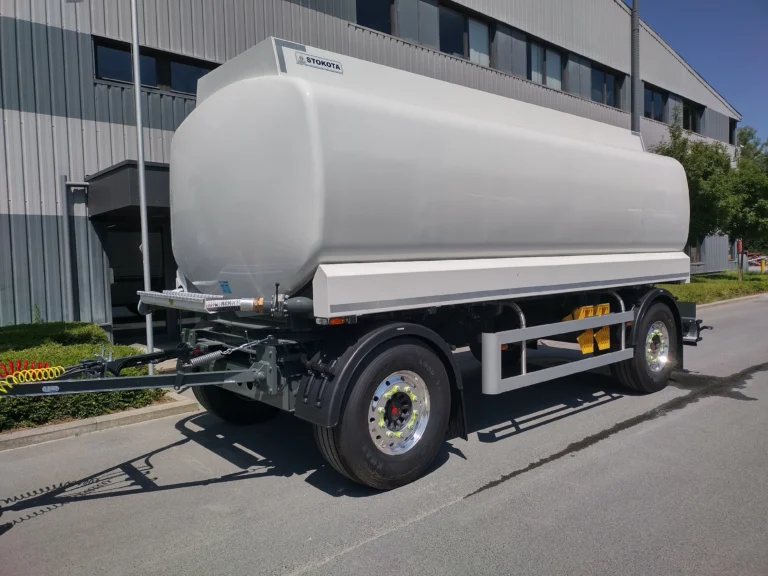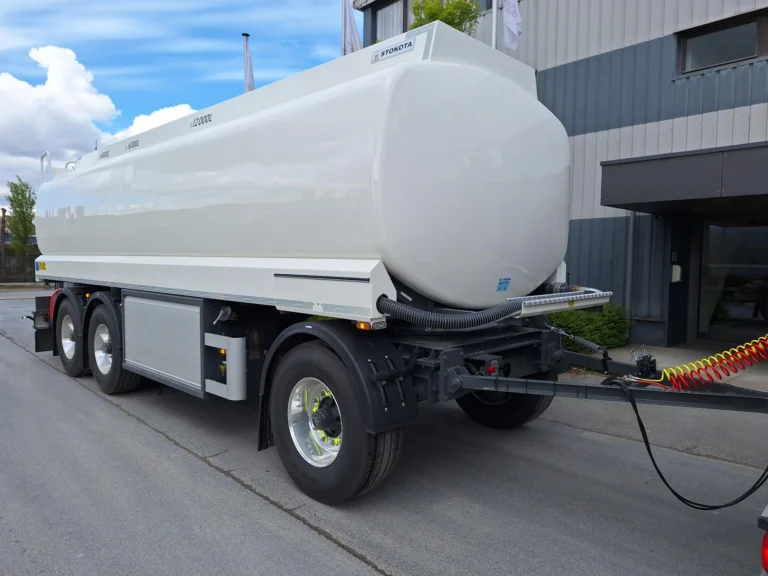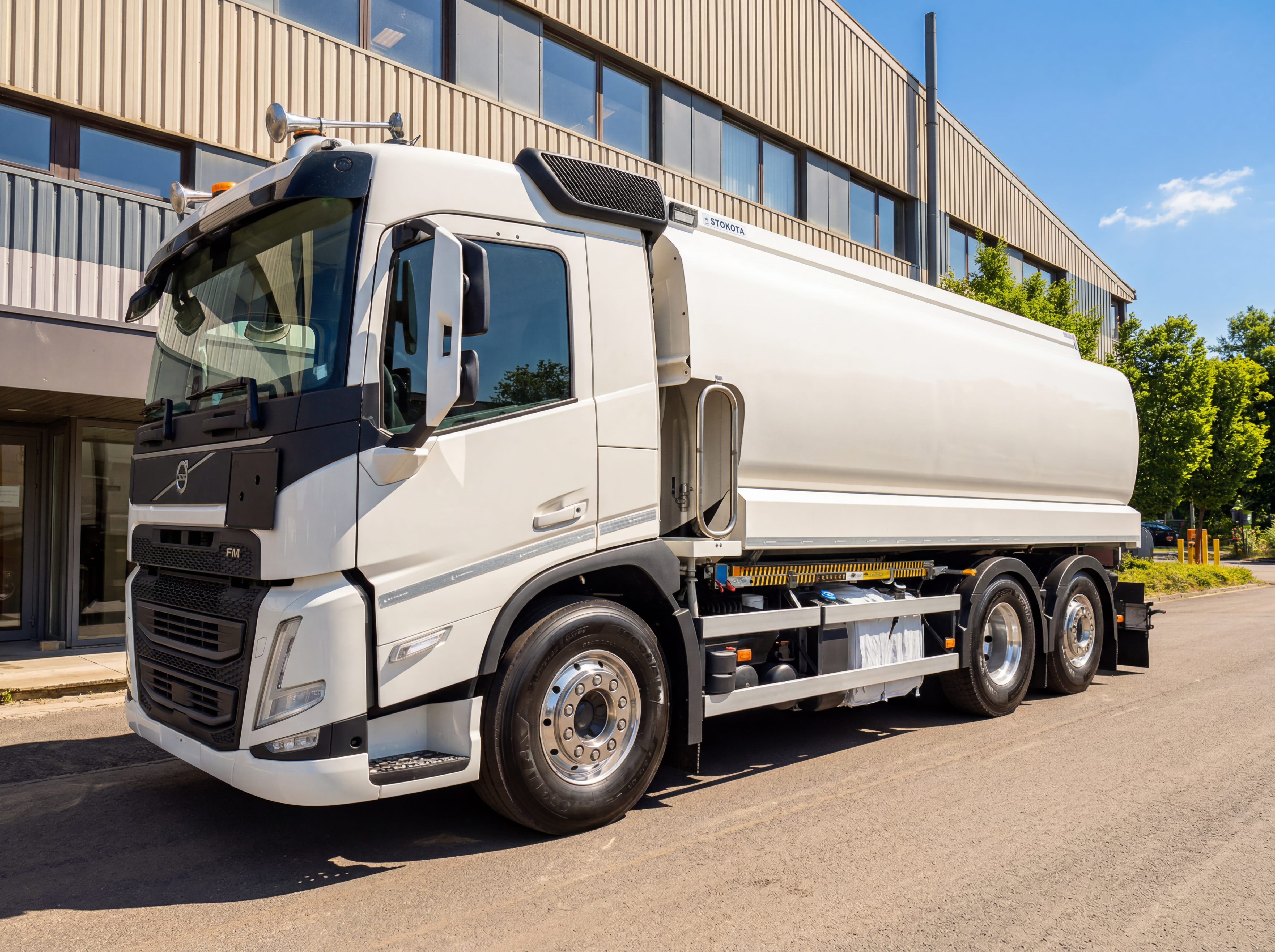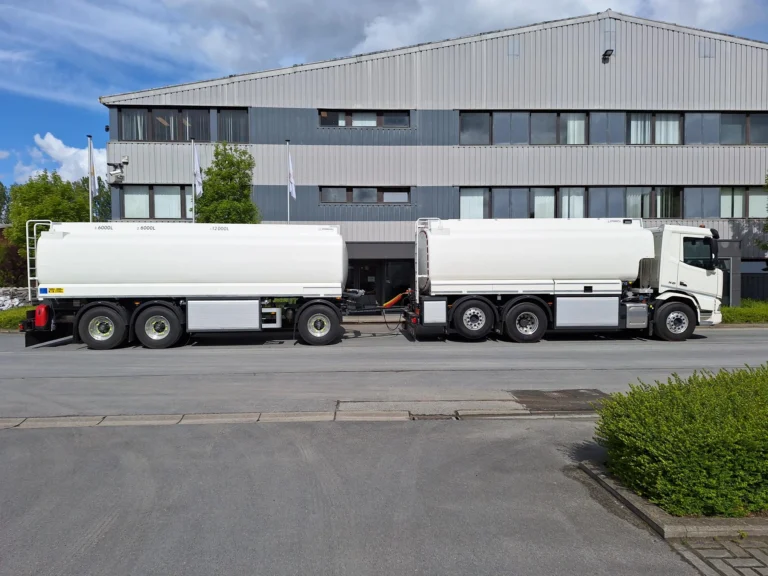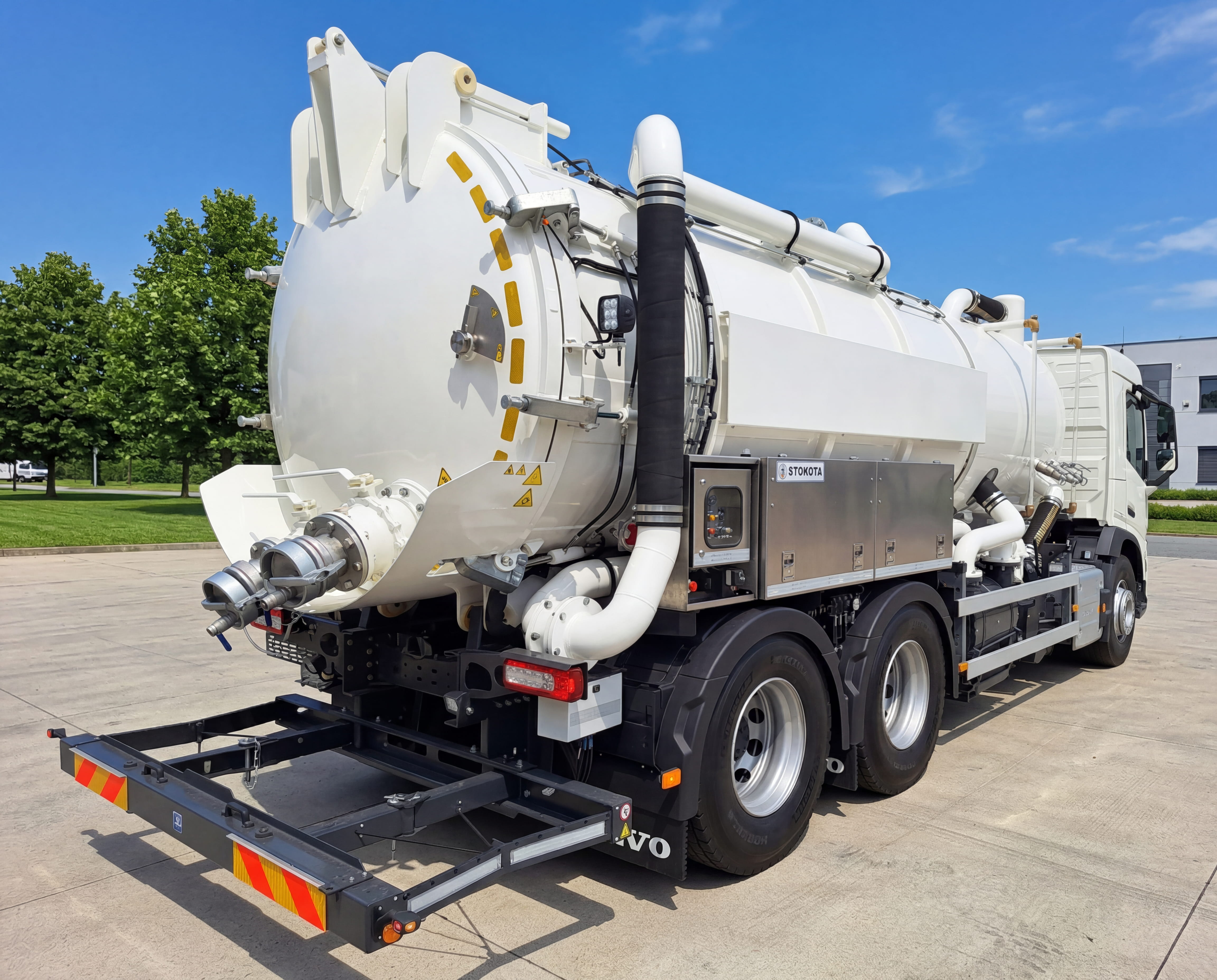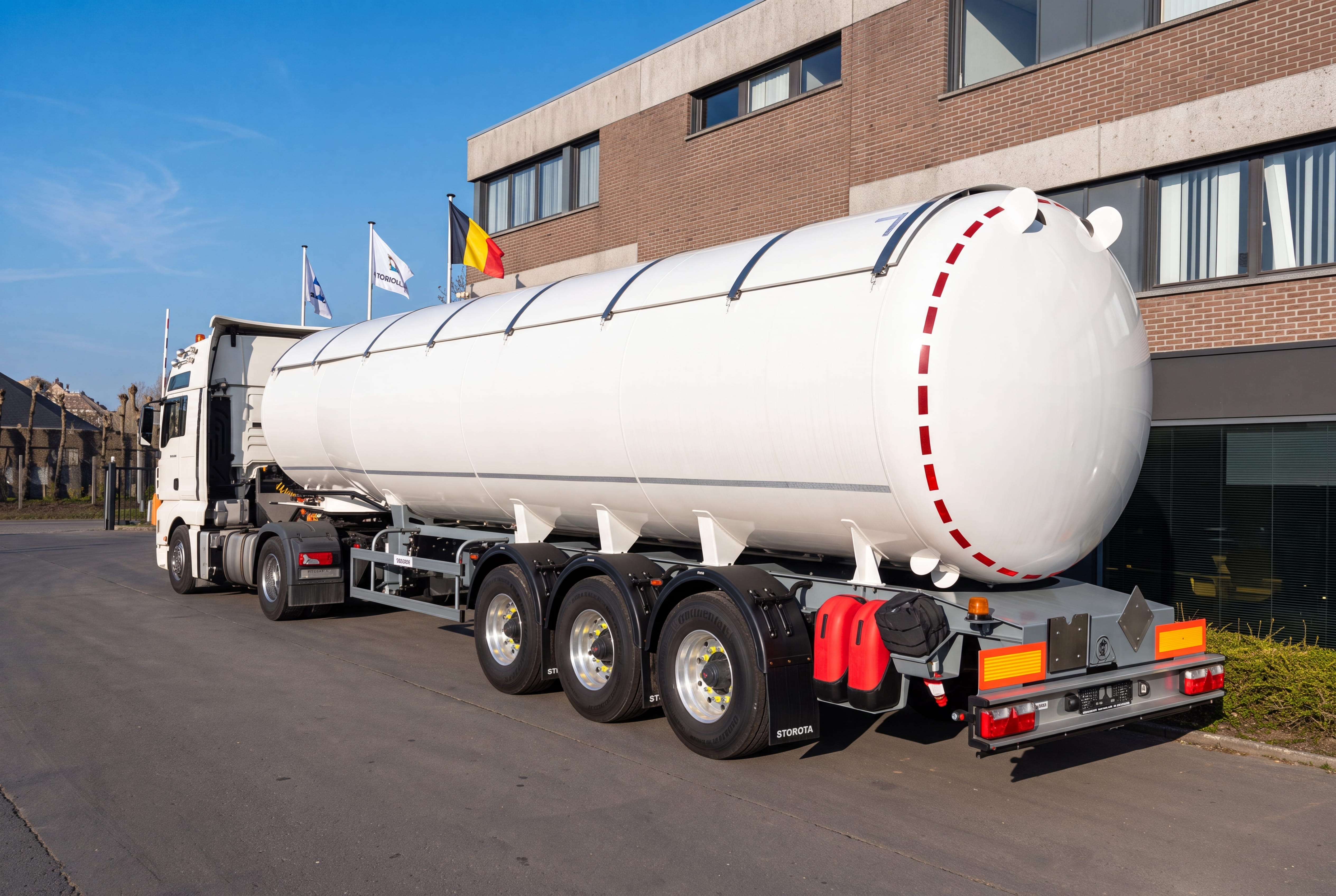
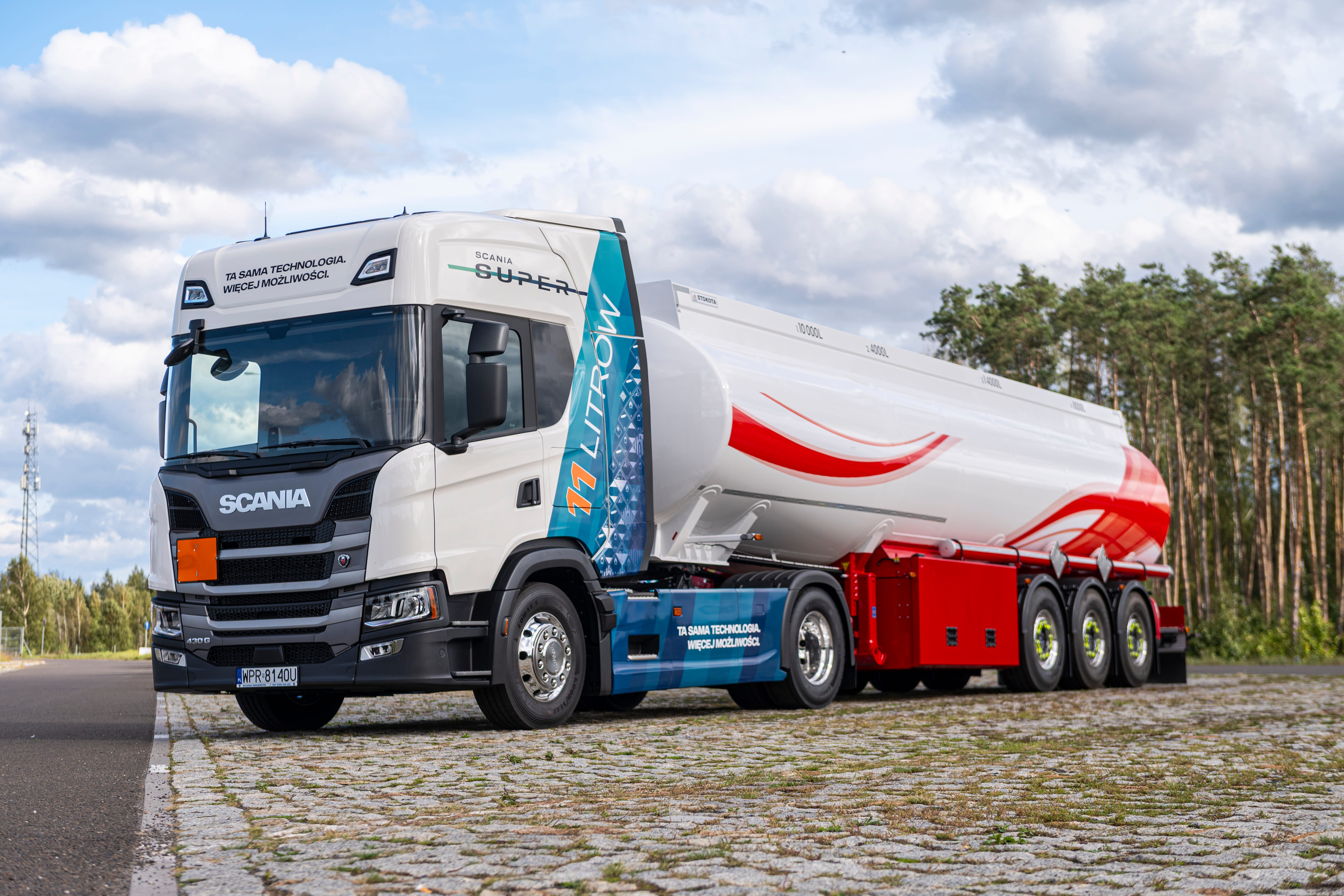
Fuel tanker is a sophisticated engineering structure designed for the safe transport of liquid petroleum-based fuels. The specialized construction of a fuel tanker relies on the use of high-grade aluminum alloys, which ensure low curb weight, high corrosion resistance, and maximum payload capacity. The total tank capacity is selected on a case-by-case basis depending on the chassis type and the fleet’s operational requirements, and the tank’s structure itself is typically divided into several independent cargo compartments. This enables the parallel transport of different types of fuel without the risk of them mixing, and also allows for temporary fuel storage during multi-point deliveries.
A key element improving vehicle stability are the internal baffles, which effectively dampen the dynamic forces of the flowing liquid when cornering and braking. It is precisely fuel transport safety that forms the foundation of the entire design process. In logistics based on local deliveries, a dedicated fuel tanker designed as a fuel dispenser is extremely popular, enabling precise and controlled unloading of liquid at the recipient’s location. This type of unit not only transports fuel but is also used for direct refueling of other vehicles or unloading at a designated pickup point.
.jpg)
The sample technical data presented here represent only a small portion of the full specifications for vehicles in the STOKOTA lineup:
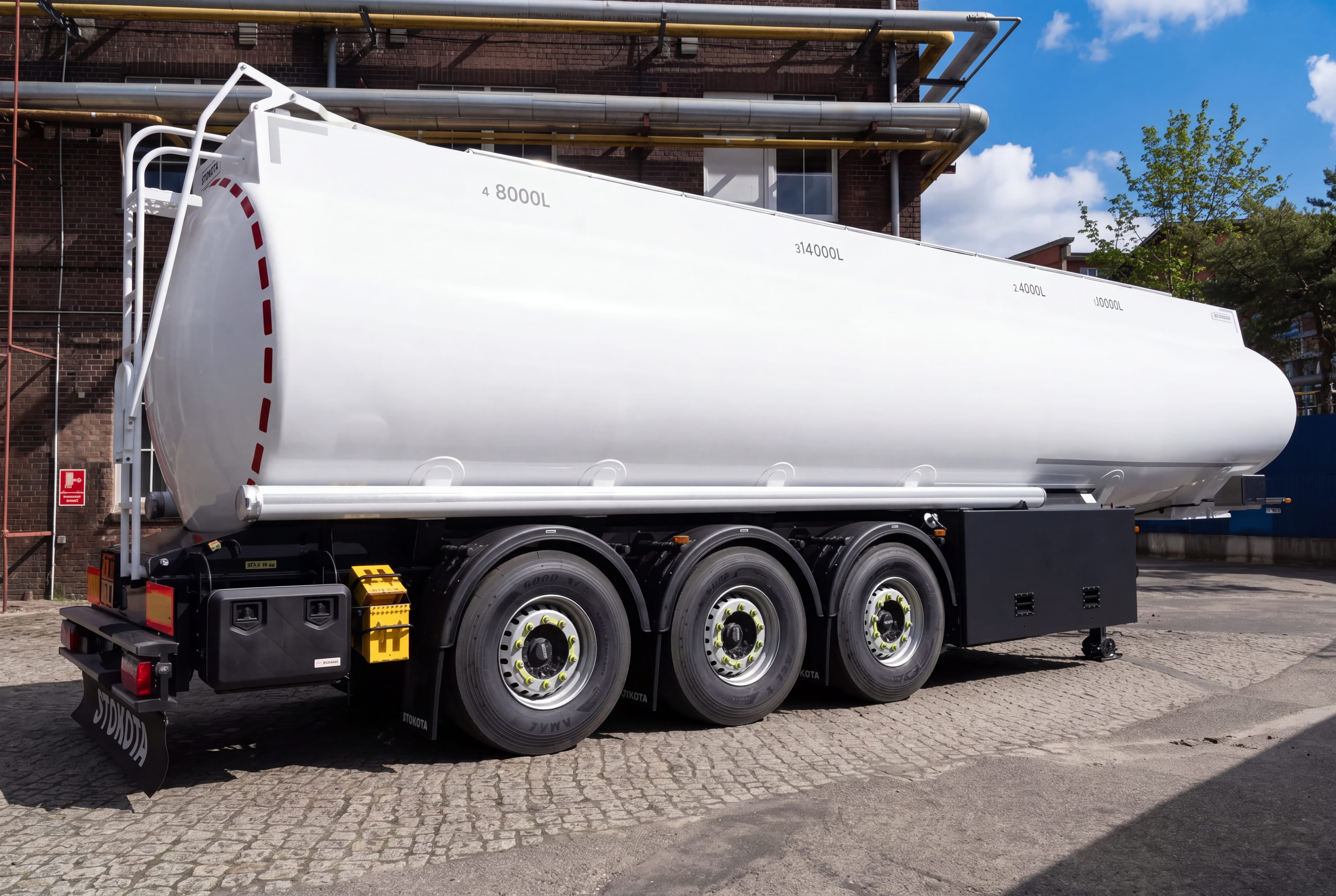
Professional fuel transport in tankers requires full compliance with international legal and technical regulations. The applicable ADR safety standards impose stringent requirements regarding leak-tightness, structural strength, and the resistance of seals and fittings to the substances being transported. The modern fleet, which includes the Stokota fuel semi-trailer, is designed for the safe transport of gasoline, diesel, biofuels, heating oil, and aviation fuels (including in a low-profile tank design).
In day-to-day logistics operations, flexibility in fuel transport is a priority. The multi-compartment design ensures that temporary storage of fuels in individual sections during combined transport or multi-stage deliveries is fully controlled. This is ensured by modern fuel tankers manufactured for trouble-free operation in difficult road conditions, where high fuel transport safety is guaranteed by automatic shut-off valves and overfill sensors during loading. When transport is carried out by a specialized fuel vehicle, such as a semi-trailer, body-mounted unit, or trailer, the built-in metered distribution system guarantees the precise dispensing of the measured quantity of fuel. A modern top-loading or bottom-loading system using API valves reduces refueling time at fuel depots and distribution centers.
When reviewing the detailed technical specifications of modern fuel tankers, special attention should be paid to the systems responsible for fast and safe loading and unloading. Standard fuel tankers feature a pressure-optimized loading system for both top-loading and bottom-loading, which eliminates the risk of electrostatic charges and reduces fuel withdrawal time at the terminal. All fuel tankers manufactured for the distribution industry incorporate innovative technological solutions that enhance operator safety. An advanced vapor recovery system (VRU – Vapor Recovery Unit) is standard equipment. In this system, gasoline vapors are directed into the tank’s headspace. In the case of a small vapor swing, fuel is drawn by pumps into the vehicle’s tank, while gasoline vapors are drawn by pumps into the fuel tank. In the case of a large vapor swing, gasoline vapors are collected in the free space remaining after the fuel has been drained, and a vent valve protects the tank from excessive pressure.
The metered loading and unloading system includes pneumatically controlled bottom valves, manifold pipes, dispensing pumps, and temperature-compensated metering systems. A fuel tanker configured in this way allows for efficient unloading by gravity or via pumps. A properly selected total tank capacity and compatible equipment enable faster refueling of the customer’s vehicle, which translates into significant time savings. The flexibility in fuel transport provided increases fleet profitability, and the precision fuel dispenser installed in the dispensing cabinet eliminates the risk of errors. All technological solutions used minimize the risk of breakdowns and leaks.
-p-1080.jpeg)
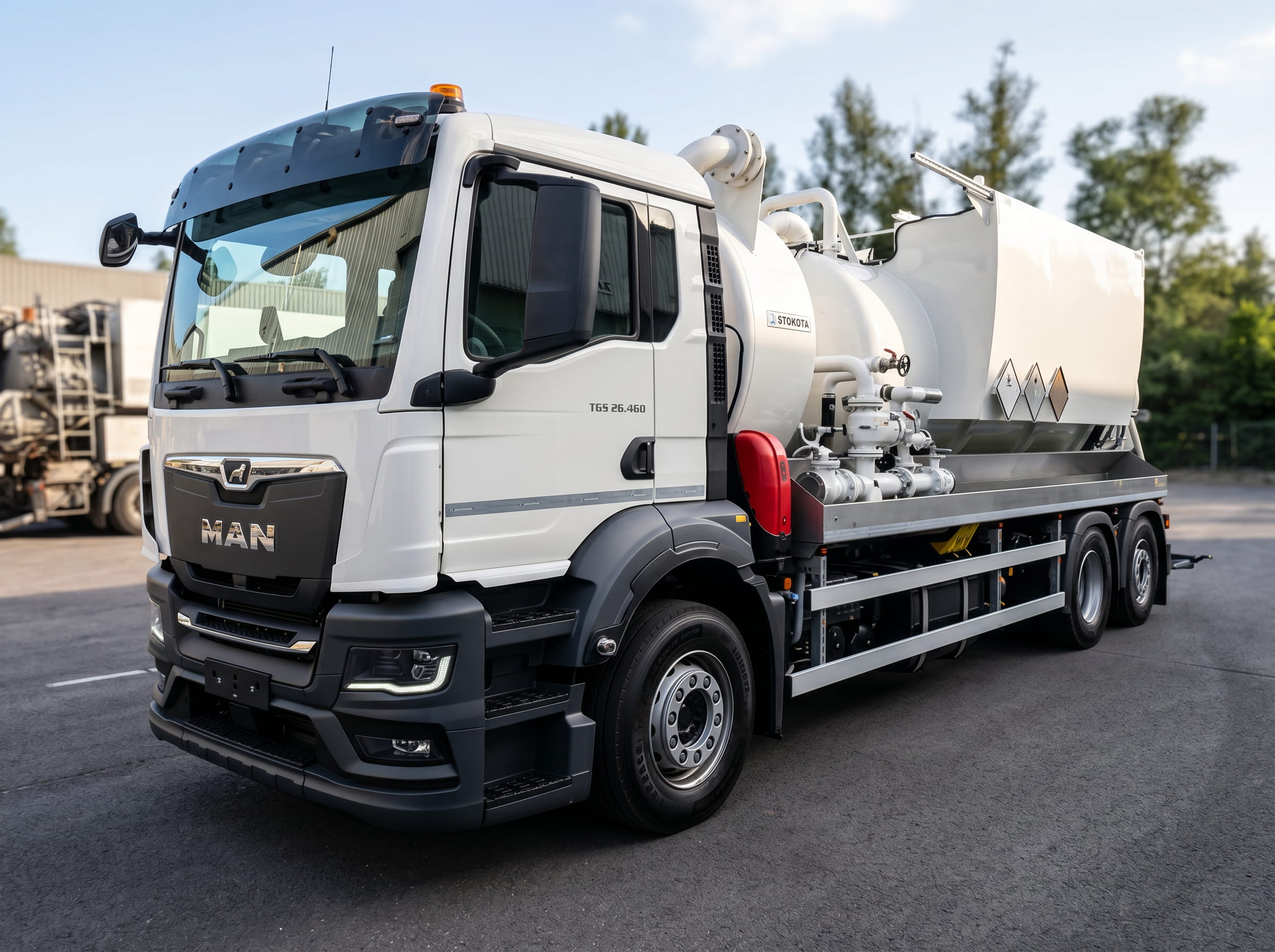
For decades, the STOKOTA brand has been a leader in the production of specialized vehicles for the fuel and gas industries. This highly demanding market appreciates the innovative technological solutions used in our company’s designs. The durable Stokota fuel tanker stands out thanks to its highly durable robotic-welded joints, lightweight aluminum subframe, and an exceptionally ergonomic design of the metering and dispensing cabinet. Used in the field, the Stokota fuel tanker ensures a long service life for its components and full protection of the transported cargo.
Our range of fuel transport vehicles includes semi-trailers, trailers, complete body assemblies mounted on truck chassis, as well as entire fuel transport vehicle sets. In every case, fuel transport safety is our top priority. Advanced anti-overflow systems, compliance with ADR safety standards, and an intuitive loading and unloading system make the operator’s job easier and protect the environment. By choosing our fuel tankers, manufactured to the highest standards, investors gain reliability, and the quality is backed by a warranty.
The purchase cost of a new tanker is strictly dependent on its configuration and the required equipment. The final price is directly influenced by the total tank capacity, the number of compartments in the design, and the sophistication of the technological solutions implemented in the distribution system. A vehicle equipped with a certified measuring system, an on-board printer, and automatic hose reels requires a higher initial financial outlay, but this investment quickly pays for itself in the form of flexibility and safety.
Key technical specifications that determine the final price:
The exceptional durability of fuel tankers manufactured by STOKOTA means that the total cost of ownership is significantly lower compared to our competitors’ solutions. Furthermore, our tankers retain a very high residual value on the secondary market.
.jpg)
In the rapidly growing transportation industry, a modern fuel tanker is a key link in the supply chain. It ensures temporary fuel storage under optimal temperature and pressure conditions, enabling the supply of gas stations, logistics hubs, and individual customers. Proper temporary fuel storage protects the fuel from degradation. The highly regarded Stokota brand products have been appreciated by customers around the world—on long-haul transport routes, at airports, and at military bases alike.
Are you looking for a reliable fuel tanker that will meet all your requirements for fuel transportation?
STOKOTA is constantly developing its products by introducing innovative technological solutions. By choosing a Stokota fuel tanker model, a company is investing primarily in fuel transport safety for many years to come, compliance with stringent regulations—including ADR safety standards—as well as many years of trouble-free operation. The new technological solutions used create a significant gap in the market and a considerable competitive advantage. The innovative fuel tankers manufactured by STOKOTA set the market standard for years to come.
Do you have questions? Or perhaps you’d like to consult with us about purchasing a fuel tanker for your own needs? Contact our sales department!


.jpg)